Water is one of those everyday essentials that rarely gets much attention until something feels off. Maybe your coffee doesn’t taste quite as rich anymore. Perhaps your shower leaves your skin feeling tight, or you’ve noticed white spots clinging stubbornly to freshly washed glasses. These little annoyances are easy to brush aside, but they often hint at something happening beneath the surface.
The truth is, the quality of your home’s water affects far more than what’s in your drinking glass. It touches nearly every daily routine, from cooking and cleaning to bathing and laundry. Understanding your water isn’t about chasing perfection—it’s about making informed choices that improve comfort, protect your home, and support your family’s well-being.
Every Home Has Unique Water Conditions
It’s tempting to assume that if your neighbor’s water is fine, yours must be too. In reality, that’s not always the case.
Water changes as it travels through municipal infrastructure, neighborhood pipes, and your home’s own plumbing. Homes supplied by private wells experience an entirely different set of conditions influenced by local geology, seasonal rainfall, and naturally occurring minerals.
Even houses located just a few streets apart can have noticeably different water characteristics. That’s why generalized advice only goes so far. Understanding your home’s specific water profile is far more valuable than relying on assumptions.
The Everyday Signs Your Water Deserves Attention
Water quality issues often develop gradually rather than appearing overnight.
Perhaps soap takes longer to rinse away. Towels lose their softness after washing, or your dishwasher seems incapable of producing sparkling glassware anymore. Faucets collect stubborn mineral deposits, and appliances don’t seem to perform quite as efficiently as they once did.
Many homeowners simply adapt to these inconveniences without realizing that better water quality could solve several of them at once.
Sometimes the smallest frustrations are actually the easiest to improve.
Why Hard Water Creates More Than Cosmetic Problems
Hard water contains elevated levels of naturally occurring minerals, particularly calcium and magnesium. While these minerals aren’t necessarily harmful to drink, they can slowly create challenges throughout your home.
Scale buildup inside plumbing pipes, water heaters, coffee makers, and washing machines gradually reduces efficiency. Soap struggles to lather properly, shampoo becomes harder to rinse away, and cleaning often requires more effort than it should.
For households dealing with hard water every day, installing water softeners can make a noticeable difference. By reducing excess minerals, these systems help protect plumbing, improve appliance performance, and create a more comfortable daily experience without requiring constant attention.
Clean Drinking Water Brings Confidence
Drinking water is perhaps the most personal part of your home’s water supply.
Whether you’re filling reusable bottles, preparing baby formula, brewing tea, or cooking dinner, confidence in your water matters. Taste, odor, and overall clarity all contribute to how enjoyable water feels to use every day.
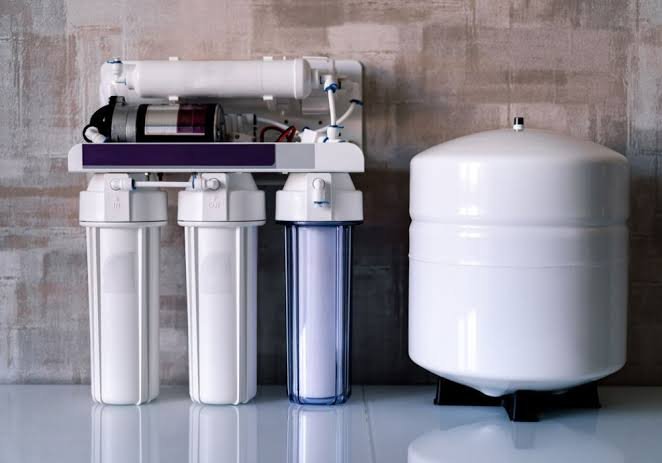
Many families choose reverse osmosis systems because they provide an additional level of purification for drinking and cooking water. These systems are designed to reduce a wide range of dissolved substances while producing crisp, clean-tasting water that many homeowners immediately notice.
It’s not simply about convenience. It’s about peace of mind each time you turn on the kitchen faucet.
There’s No Universal Solution
One common misconception is that every household needs identical water treatment equipment.
The reality is much more practical.
Some homes only require softening because hard minerals are the primary concern. Others benefit from drinking water purification, while well-water properties may require iron removal, sulfur treatment, sediment filtration, or ultraviolet disinfection.
Good water treatment isn’t about purchasing every available system. It’s about solving the problems your home actually has—and avoiding unnecessary equipment that offers little benefit.
That personalized approach typically delivers better long-term results.
Protecting Your Home Along With Your Health
Water quality influences much more than taste.
Mineral buildup forces water heaters to work harder, increasing energy consumption. Dishwashers become less effective. Washing machines accumulate scale that may shorten their lifespan, and plumbing fixtures gradually lose efficiency.
Improving water quality helps reduce these ongoing stresses.
While many homeowners initially focus on drinking water, they often discover that protecting appliances and plumbing becomes one of the biggest financial advantages over time.
It’s one of those investments that quietly pays dividends year after year.
Looking Beyond Drinking Water
Kitchen faucets usually receive most of the attention, but water flows through every corner of your home.
Bathing, washing clothes, cleaning floors, watering plants, and preparing meals all depend on reliable water quality. That’s why comprehensive water filtration solutions continue to grow in popularity among homeowners looking for whole-house improvements rather than isolated fixes.
Filtering water before it reaches various parts of the home can reduce sediment, chlorine, unpleasant odors, and other impurities depending on the specific system selected.
The result isn’t dramatic in a flashy way. Instead, it creates countless small improvements that become part of everyday life.
Testing Before Buying Makes Sense
Perhaps the smartest step any homeowner can take is starting with proper water testing.
Professional testing identifies hardness, pH balance, chlorine, iron, sulfur, sediment, and other characteristics unique to your home’s water supply. Instead of relying on online recommendations or guessing based on appearance alone, testing provides real answers.
That information makes it much easier to select treatment options that actually solve problems instead of simply masking symptoms.
Knowledge almost always saves money in the long run.
Better Water Creates a Better Home
We spend countless hours researching flooring, kitchen renovations, landscaping projects, and home décor. Yet water—something we use dozens of times every day—often receives surprisingly little attention.
Improving water quality isn’t about luxury. It’s about making everyday life a little easier.
Cleaner dishes. Softer laundry. Better-tasting beverages. More efficient appliances. Greater confidence in every glass of water your family drinks.
Those improvements may seem small individually, but together they shape how comfortable your home feels every single day.
A Small Change With Lasting Benefits
The best home improvements are often the ones that quietly enhance daily life without demanding constant attention.
Understanding your water, testing it when needed, and choosing solutions that match your home’s specific conditions can improve comfort, protect expensive appliances, and provide lasting peace of mind.
At the end of the day, water isn’t just another utility. It’s woven into nearly every moment spent at home. Investing in better water means investing in a healthier, more efficient, and more enjoyable place to live—one faucet, one shower, and one glass at a time.