Water is one of those things most people take for granted until something goes wrong. A pump stops working, water pressure drops, stains appear around the taps, or a well suddenly fails to provide enough water for everyday needs. These problems can disrupt a household, slow down a business, or create serious challenges for anyone managing agricultural land. The good news is that thoughtful planning and the right equipment can make water management much easier.
Today, homeowners, farmers, and commercial property managers have access to a wide range of technologies designed to improve water quality, delivery, and efficiency. Understanding how these systems work is the first step toward choosing an approach that fits your property, budget, and long-term needs.
Why Good Water Management Matters
Water management involves more than simply making sure water comes out of a tap. It includes sourcing water responsibly, maintaining consistent pressure, removing unwanted substances, and ensuring equipment operates efficiently. Each part of the process affects the others.
For example, a household might have an excellent filtration system but still struggle with low pressure because its pump is poorly sized. A farm may have a reliable water source, yet waste thousands of gallons through leaks or an inefficient irrigation setup. Solving only one part of the problem may not deliver the results people expect.
A better approach starts with understanding the complete system. Where does the water come from? How much is needed during busy periods? What is its quality? Are there seasonal changes in supply? These questions help property owners make decisions based on actual conditions instead of guesswork.
Finding the Right Approach for Different Needs
There is no universal solution for every property. A small family home has different demands from a manufacturing facility, a greenhouse, or a large agricultural operation. The most effective water solutions are designed around those differences rather than relying on a one-size-fits-all package.
At home, priorities may include clean drinking water, dependable pressure, and protection for plumbing fixtures. A restaurant might need consistent water quality for food preparation and equipment. Meanwhile, a farm may depend on a steady supply for livestock, crop irrigation, and cleaning.
It helps to list the main problems before purchasing equipment. If the concern is unpleasant taste, water testing may reveal whether filtration is appropriate. If the issue is inconsistent pressure, the pump, pressure tank, and pipework may need attention. Sometimes the source itself is the problem.
Taking time to identify the cause can prevent unnecessary spending and make the final installation more effective.
Understanding Water Treatment and Filtration
Water that looks clear isn’t necessarily free from unwanted substances. Depending on the source, it may contain sediment, minerals, microorganisms, or dissolved compounds that affect its taste, appearance, or suitability for particular uses. Municipal supplies and private wells also have different monitoring and treatment considerations.
This is where water treatment & filtration can make a meaningful difference. However, selecting a system should begin with testing, not assumptions. A sediment filter, for instance, can capture suspended particles but won’t automatically remove dissolved minerals or every chemical contaminant. Activated carbon may improve taste and reduce certain substances, while reverse osmosis can reduce a range of dissolved contaminants when correctly selected and maintained.
Water softeners serve another purpose: they reduce hardness caused primarily by calcium and magnesium. This can help limit scale buildup in pipes, water heaters, and appliances. Yet softening is not the same as disinfecting, and it doesn’t replace other treatment methods when a water supply has microbial contamination.
For private wells, regular testing is especially important. Testing recommendations depend on local conditions, nearby land use, and the type of well. If results identify a problem, consult a qualified water professional or public health authority about an appropriate treatment method.
The Important Role of Pumps and Controls
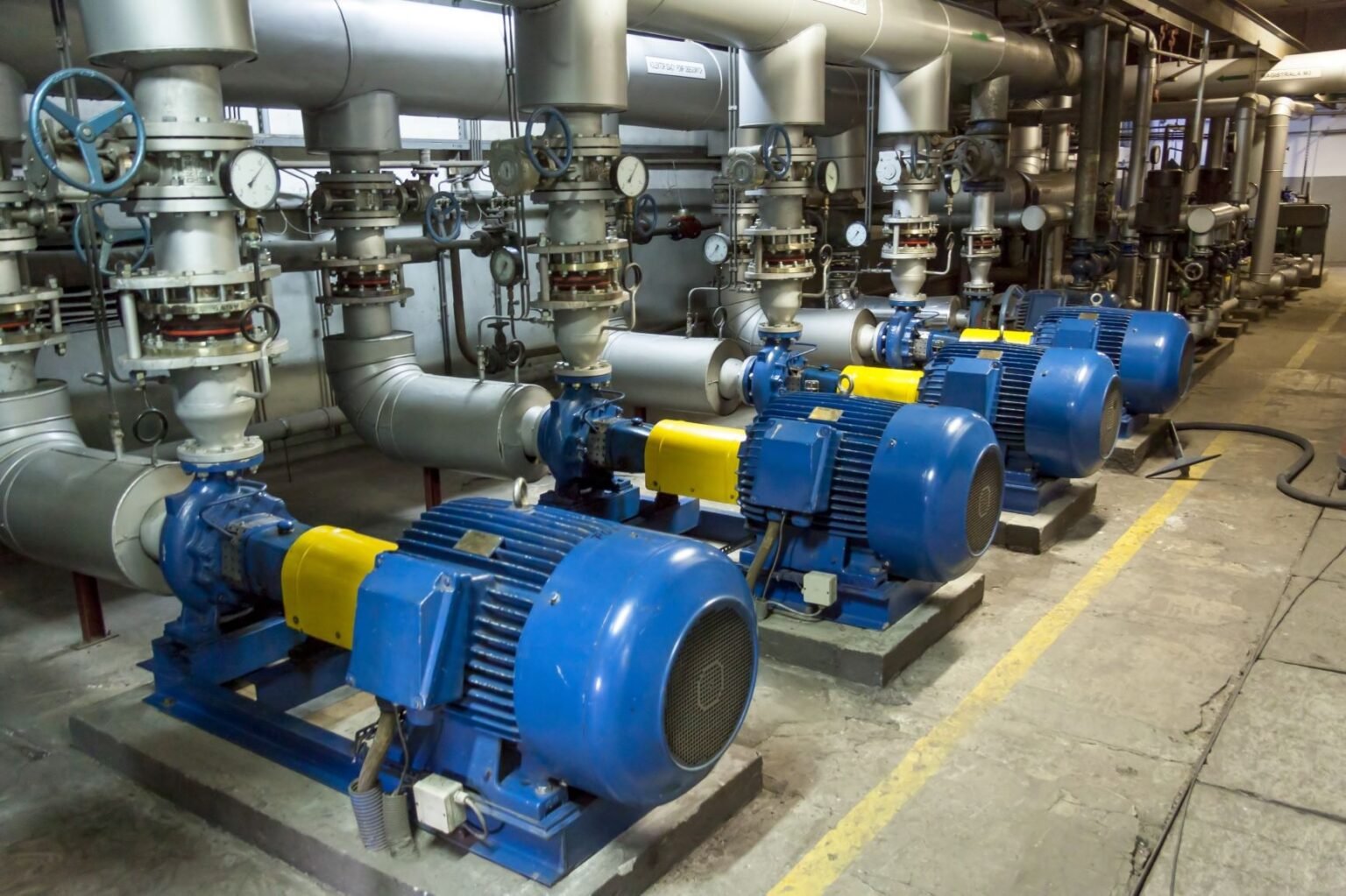
Water needs to move from its source to the place where it’s used, and that requires equipment suited to the job. Pumps are commonly used to draw water from wells, move it through irrigation networks, supply buildings, and maintain pressure in storage or distribution systems.
Modern ground water pumps & controls can include pressure switches, sensors, control panels, and protective devices that help regulate operation. When properly selected and configured, these components can support consistent delivery and help prevent avoidable equipment damage.
Sizing matters more than many people realize. A pump that is too small may struggle during periods of high demand. One that is unnecessarily large can consume more energy than required, cycle too frequently, or create pressure problems. The correct choice depends on factors such as well depth, water level, required flow rate, total pumping head, and the condition of the existing plumbing.
Controls also deserve attention. Dry-run protection can help prevent damage when a well cannot supply enough water. Pressure monitoring may reveal leaks or unusual demand. In agricultural settings, automated controls can coordinate water delivery with irrigation schedules.
A qualified installer can evaluate these details before recommending a system. For groundwater installations, local rules and permit requirements should also be checked.
Saving Water Without Making Life Difficult
Efficiency doesn’t always require a major upgrade. Small improvements can produce useful results when they address the right problem.
Fixing dripping taps, repairing leaking pipes, and checking irrigation lines are sensible starting points. In gardens and agricultural areas, watering during cooler periods can reduce losses from evaporation. Drip irrigation may also help deliver water closer to plant roots, provided the system is properly designed and maintained.
Storage tanks can offer flexibility where supply varies throughout the day, although their size and installation need careful consideration. Businesses may benefit from monitoring water use across different processes to identify unexpected increases. Even a simple monthly comparison of water bills can reveal a change that deserves investigation.
Conservation should never mean compromising essential hygiene or using untreated water where it isn’t safe. The aim is to use the right amount of water, in the right place, at the right time.
Maintenance Is Part of the Investment
Water systems are not install-and-forget equipment. Filters become clogged, pumps wear down, pressure tanks may lose their correct air charge, and sensors can become unreliable. Without maintenance, even a high-quality installation may gradually become less efficient.
Follow the manufacturer’s service schedule and keep records of filter changes, inspections, repairs, and water test results. Watch for warning signs such as unusual pump noises, repeated cycling, reduced flow, sudden changes in taste, or unexplained increases in electricity use.
Don’t ignore small changes. A pump that starts more frequently than usual may indicate a leak, a pressure tank problem, or another fault. Early inspection can sometimes prevent a minor issue from turning into a costly breakdown.
Choosing a Provider You Can Trust
Equipment is only one part of a successful water system. Good advice, careful installation, and responsive after-sales support matter just as much. Before hiring a provider, ask whether they can assess your actual water conditions, explain the recommended equipment, and provide a clear breakdown of installation and ongoing maintenance costs.
Be cautious of promises that one product will solve every water problem. Reliable professionals explain what a system can do, what it cannot do, and how its performance will be checked. They should also help you understand replacement parts, operating expenses, and any maintenance tasks you can safely handle yourself.
Building a More Reliable Water System
Reliable water access supports everyday comfort, productive work, and long-term property value. Achieving it doesn’t necessarily mean buying the most expensive equipment available. Often, the best results come from understanding the source, testing the water, choosing appropriately sized equipment, and maintaining each component properly.
Start with the problem that matters most, gather accurate information, and build from there. With a practical plan and suitable professional guidance, water management can become less stressful, more efficient, and better prepared for the demands of the years ahead.