Most people do not think much about their home’s water until something feels off. Maybe the shower leaves your skin tight and dry. Maybe glasses come out of the dishwasher cloudy, even after you’ve changed detergent twice. Or maybe the kitchen tap has started giving off a smell that makes you hesitate before filling a pot for dinner. It’s funny how quickly we notice water problems once they begin affecting daily routines.
Clean, comfortable water is not just about taste. It touches almost everything in a home: laundry, cooking, bathing, plumbing, appliances, even how your hair feels after a shower. And while bottled water or a small fridge filter may seem like easy fixes, they rarely solve the bigger issue. The real question is what’s in your water before it reaches each tap.
Why Household Water Quality Can Vary So Much
Water quality is not the same from one home to another. Two houses on the same street can have different issues depending on plumbing age, pipe material, water source, water heater condition, and local mineral levels. Municipal water is usually treated before it reaches your home, but that does not mean it is perfect by the time it comes out of your faucet.
Well water is even more personal. It depends on underground minerals, nearby land use, natural gases, bacteria, and seasonal changes. Heavy rain, drought, or construction nearby can sometimes shift what shows up in the water. That’s why a problem may appear suddenly, even in a home where the water seemed fine for years.
Hard Water Is More Than a Small Annoyance
One of the most common household water problems is hardness. Hard water contains high levels of minerals, mainly calcium and magnesium. These minerals are not usually harmful to drink, but they can be irritating in everyday life. Soap does not lather well. Faucets collect white crusty buildup. Shower doors look spotted no matter how often you clean them.
A properly installed water softener helps reduce hardness minerals before they travel through the home. The difference can feel surprisingly noticeable. Towels may feel softer, dishes may rinse cleaner, and appliances like washing machines and water heaters may work more efficiently over time. It is one of those improvements that does not always sound exciting at first, but once you live with softer water, going back feels unpleasant.
Taste, Odour, and the Bigger Picture
Sometimes the problem is not hardness at all. Water can look clear but still taste metallic, earthy, salty, or chemical-like. In some homes, it may carry an unpleasant odor that gets worse when hot water is used. That smell may come from sulfur compounds, bacteria inside plumbing, a water heater reaction, or organic matter in the water source.
Odour issues should not be ignored. They may be harmless in some cases, but they are still a sign that something deserves attention. Nobody wants to cook pasta, make coffee, or bathe a child in water that smells questionable. And let’s be honest, guests notice it too, even if they politely say nothing.
Why Point-of-Use Filters Are Not Always Enough
A pitcher filter or faucet attachment can help with small taste concerns, but these products usually treat only one location. That means your kitchen drinking water may improve, while your shower, washing machine, dishwasher, and bathroom taps still receive untreated water.
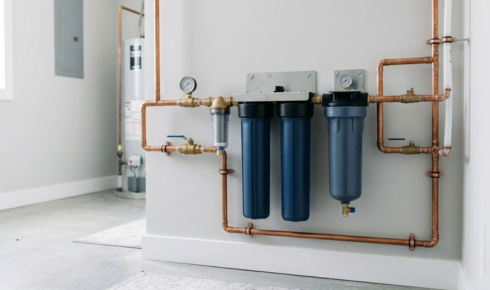
This is where whole house filtration becomes useful. Instead of filtering water at just one tap, the system treats water as it enters the home. Depending on the system design, it may help reduce sediment, chlorine taste, certain odours, iron, or other contaminants. The right setup depends on a proper water test, because different problems require different treatment methods.
The Water Heater Can Be Part of the Problem
Many homeowners blame the water supply when the issue is actually connected to the water heater. If bad smells appear only when using hot water, the heater should be checked. Sediment buildup, bacteria, and certain anode rod reactions can create odours that do not show up in cold water.
Flushing the tank may help in some situations. In others, replacing the anode rod or disinfecting the system may be necessary. Older heaters can also become less efficient when sediment builds up inside. So even if the smell is mild, it may be worth having the unit inspected before the problem becomes harder to fix.
Testing Comes Before Treatment
Buying a filter without testing the water is a bit like buying medicine without knowing what illness you have. It might help, or it might do nothing at all. A water test can identify hardness, iron, manganese, pH levels, sulfur, total dissolved solids, bacteria, and other common concerns.
For private wells, regular testing is especially important. Unlike city water, wells are not monitored by a public utility after the water enters your property. Homeowners have to stay aware of changes. Even if the water looks fine, testing can reveal issues that are not obvious by sight, smell, or taste.
Small Signs That Your Water Needs Attention
Water problems usually leave clues. White scale on faucets, orange stains in sinks, cloudy glassware, dry skin, stiff laundry, low water pressure, strange tastes, or recurring smells all point to something worth checking. Sometimes the signs are subtle. A coffee maker may need descaling more often. The showerhead may clog faster than it used to. Soap may feel like it never fully rinses off.
These small frustrations add up. They also affect home maintenance costs. Hard water can shorten appliance life. Sediment can clog fixtures. Iron can stain surfaces. Odours can make perfectly usable water feel unclean.
Choosing the Right Solution for Your Home
The best water treatment system is not always the most expensive one. It is the one matched to your actual water. Some homes need softening. Others need filtration. Some need both. A house with well water may need a more customized setup than a house on municipal water. The goal should be practical improvement, not just adding equipment for the sake of it.
A professional water specialist can test the water, inspect plumbing conditions, and recommend a system that fits the home’s needs. That approach saves money in the long run because it avoids guesswork and repeated trial-and-error purchases.
Good Water Makes Home Life Easier
Water is quiet. It runs in the background of daily life, doing its job without much attention. But when it tastes better, smells cleaner, rinses properly, and treats appliances kindly, the whole home feels a little more comfortable.
Better water is not about luxury. It is about making ordinary routines easier — taking a shower, washing clothes, making tea, filling a dog bowl, cleaning dishes. Once the right system is in place, you stop thinking about the water again. And really, that’s the point. Good water should feel simple, reliable, and normal.