Water is one of those things we tend to take for granted. You turn on the kitchen tap, fill a glass, and carry on with your day. At a workplace, it might be used to prepare coffee, clean equipment, or keep daily operations moving. Most of the time, nobody gives it much thought until something changes.
Maybe a faucet develops stubborn mineral deposits, the water tastes unusual, or an appliance begins showing signs of scale buildup. For a business, the consequences can be more serious if a water problem interrupts operations or affects equipment. Either way, the best response isn’t necessarily to buy a new filter immediately. It’s to understand the problem and choose a treatment approach that fits the property.
Every Property Has Different Water Needs
Water quality varies depending on the source, local geology, plumbing materials, and existing treatment methods. Municipal water supplies are generally treated and monitored, but individual properties can still experience issues related to mineral content or plumbing. Private wells may require more frequent testing because groundwater conditions can change over time.
Some problems are relatively easy to recognise. Hard water can leave white deposits on faucets, shower screens, and water heaters. Iron may contribute to reddish-brown staining, while sediment can collect in fixtures or affect the appearance of water. Other substances cannot be identified reliably by taste, smell, or appearance alone.
Testing provides a useful starting point. Depending on the source and the concern, a water analysis may examine hardness, pH, iron, dissolved solids, bacteria, or particular contaminants. The right test depends on what you’re trying to find out. A basic hardness test, for example, won’t establish whether water is free from bacteria or other health-related contaminants.
Once the results are available, it’s easier to compare treatment options without getting distracted by product claims that sound impressive but may not apply to your situation.
Making Everyday Water Better at Home
For homeowners, water quality often becomes noticeable through small, recurring frustrations. Soap doesn’t seem to lather properly, laundry feels stiff, or the kettle develops a chalky layer after a few uses. These issues may seem minor individually, but dealing with them week after week gets tiresome.
Residential water treatment can address specific concerns when the equipment is chosen according to the home’s water conditions. A sediment filter may capture particles, activated carbon can reduce certain tastes and odours, and a conventional water softener can reduce hardness minerals through ion exchange. Each technology serves a different purpose.
For example, a household dealing mainly with scale may benefit from a properly sized softener. If the concern is the taste of drinking water, an under-sink filter may be more practical. A reverse osmosis system could be considered when testing identifies dissolved substances that the selected model is certified to reduce.
There’s no need to install the largest system available just because it offers several treatment stages. A well-chosen unit that addresses the actual problem may be easier to maintain and more economical over time.
Before buying equipment, consider household size, water demand, installation space, and replacement-part costs. Ask what the system is designed to reduce and what it cannot remove. Clear answers are a good sign that the recommendation is based on your needs rather than a standard sales package.
Commercial Properties Need a Different Level of Planning
Businesses often have more demanding water requirements than homes. A restaurant may need reliable water for food preparation and beverage equipment, while a hotel has to account for showers, laundry, kitchens, and guest facilities. Manufacturing and processing operations may have specific water-quality requirements tied to their equipment or production methods.
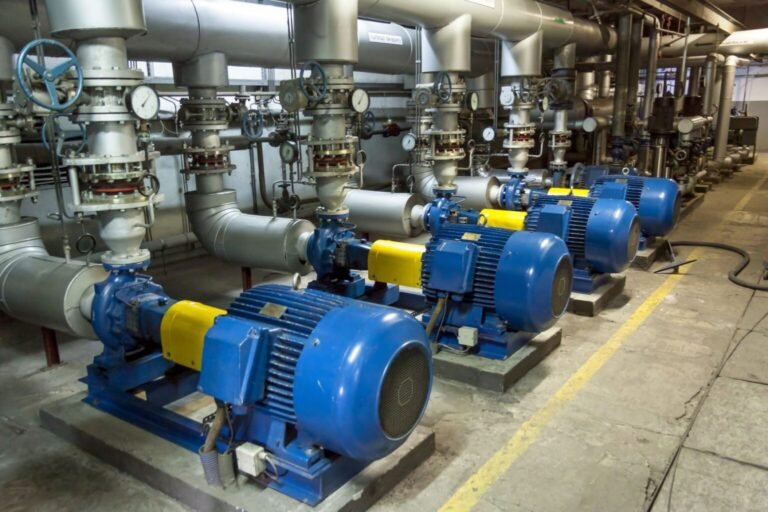
A suitable commercial water treatment setup should reflect these demands. The system needs to provide the required flow rate, deliver the intended treatment, and remain practical to service. Equipment designed for a small household may not be suitable for a site where several outlets operate simultaneously throughout the day.
Start by identifying where and how the water is used. Is the main concern taste, scale, sediment, or a particular substance identified through testing? Does the business need treatment at selected outlets or across the entire property? Answering these questions helps determine whether a point-of-use filter, a larger filtration system, a softener, or a combination of technologies deserves consideration.
Maintenance planning matters just as much as installation. If a filter needs replacement during a busy operating period, someone should know when and how that work will be completed. For businesses that rely heavily on water, planned servicing can reduce the risk of unexpected interruptions.
It’s also sensible to keep records of test results, maintenance visits, and replacement dates. These records make it easier to identify recurring issues and help staff understand what the equipment is intended to do.
Don’t Ignore Repairs and Changes in Performance
Even a suitable water treatment system can develop problems over time. Filters become exhausted, valves may wear, connections can leak, and softeners or other equipment may stop operating as expected. Sometimes the symptoms are obvious, such as a puddle near the unit. In other cases, the water simply starts behaving differently.
Timely water system repairs can help restore performance and prevent a small mechanical issue from becoming a larger disruption. A drop in pressure, recurring scale, a change in taste, or unusual noises from equipment may indicate that inspection is needed. These signs don’t always point to the same cause, so it’s worth investigating before replacing the entire system.
If you notice a leak, follow the manufacturer’s safety guidance and shut off the water supply when it is safe to do so. Avoid opening pressurised equipment or attempting electrical repairs without the necessary skills. A qualified technician can inspect the unit, check its components, and explain whether repair or replacement makes more sense.
It is also important to distinguish equipment problems from changes in the incoming water. If an unusual smell or colour appears suddenly, testing may be needed rather than assuming that the filter has failed. Where contamination is suspected, follow advice from the water provider or local health authority.
The Real Cost Goes Beyond the Purchase Price
When comparing treatment systems, the initial price is only part of the calculation. Installation, replacement cartridges, salt, electricity, wastewater, and professional servicing may all contribute to the long-term cost.
Ask for a written estimate that clearly explains the equipment, labour, additional plumbing work, and warranty coverage. Find out how often routine maintenance is required and whether replacement parts are readily available. For commercial sites, consider the cost of downtime if equipment needs servicing unexpectedly.
The least expensive option isn’t always the most practical, but a higher price doesn’t automatically guarantee better performance either. Compare documented capabilities, operating requirements, and maintenance needs against the problem you’re trying to solve.
Choose a Solution You Can Maintain With Confidence
Good water treatment begins with understanding the water and ends with a system that continues to work as intended. Whether you’re caring for a family home or managing a busy commercial property, testing, appropriate equipment selection, and regular maintenance make a meaningful difference.
Take time to ask questions, review the available options, and understand the limits of any recommended technology. Be cautious of claims that one device can solve every water-quality problem. Reliable treatment is specific, measured, and suited to the conditions of the property.
The goal isn’t simply to install equipment and forget about it. It’s to create a dependable water setup that fits everyday needs, can be serviced without unnecessary hassle, and provides confidence in how water is used throughout the property.